









EBOOK IN LINGUA STRANIERA


A History of Fly Fishing: From Ancient Streams to Modern Rivers

8,99 €
+90
punti 
Venditore: Feltrinelli

Acquista online
Scaricabile subito
Articolo acquistabile con Carta del Docente

Articolo acquistabile con Carta Cultura Giovani e Carta del Merito

Articolo acquistabile con Carta della Cultura

Abbonati a Kobo plus per avere accesso illimitato a questo contenuto

Dati e Statistiche
 Salvato in 0 liste dei desideri
Salvato in 0 liste dei desideri
A History of Fly Fishing: From Ancient Streams to Modern Rivers
Scaricabile subito
8,99 €
8,99 €
Scaricabile subito
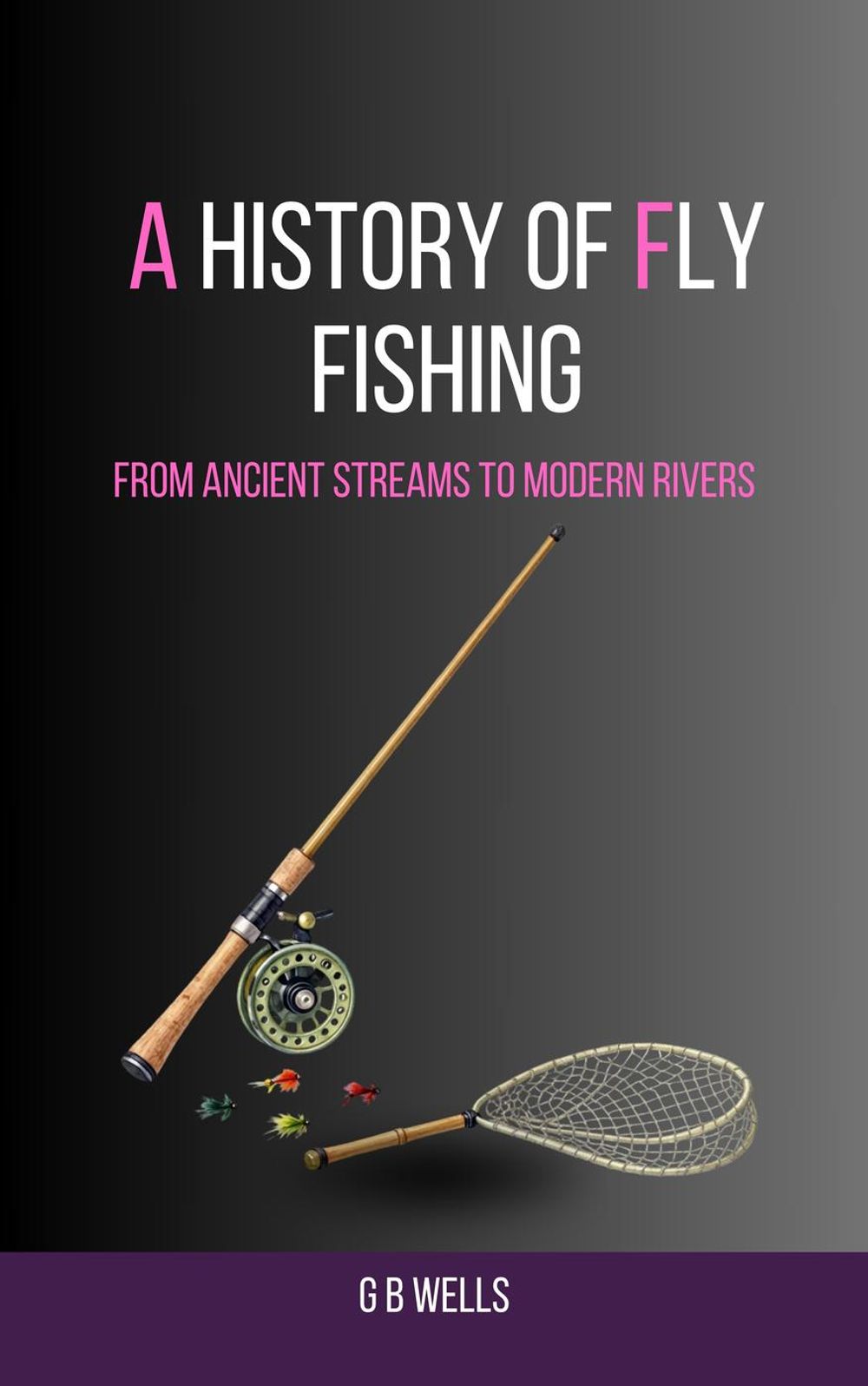


Fly fishing has a history that stretches back to Roman-era Macedonia and Tang-dynasty China, but most accounts of that history repeat the same errors: they treat the English chalk stream tradition as the natural summit of the sport, ignore the class structures that decided who could fish and where, and skip over the non-Anglophone traditions that developed in parallel. A History of Fly Fishing corrects that record. G. B. Wells traces the full arc of the sport across two millennia and five continents, from the first documented artificial flies through the codified orthodoxies of the Hampshire chalk streams, the transatlantic crossings that gave rise to the Catskill school, the equipment revolutions of the twentieth century, and the conservation debates that define fly fishing today. The book takes seriously what most angling histories treat as footnotes: the riparian law that kept rivers in private hands, the poaching prosecutions that fell on rural communities, the American and Antipodean developments that mainstream English-language histories have consistently undervalued, and the tenkara and Scandinavian traditions that were simply left out. The great debates of fly fishing history, dry fly versus nymph, wild fish versus stocked fish, catch-and-release as ethics versus catch-and-release as science, were never only technical arguments. They were arguments about values: what counts as sporting, what counts as ethical, and what counts as beautiful. This book makes that case through narrative history grounded in primary sources, angling literature, ecological science, and a willingness to read the tradition's founding texts critically rather than reverently. Readers who arrive knowing nothing about fly fishing and readers who have fished chalk streams for thirty years will both finish this book having encountered ideas they did not expect.
-
Autore:
-
Anno edizione:2026
-
Editore:
-
Formato:
-
Lingua:Inglese
Compatibilità:
Tutti i dispositivi (eccetto Kindle) Scopri di più
Layout:
Reflowable
EAN:
9798235246171

Formato:
Gli eBook venduti da Feltrinelli.it sono in formato ePub e possono essere protetti da Adobe DRM. In caso di download di un file protetto da DRM si otterrà un file in formato .acs, (Adobe Content Server Message), che dovrà essere aperto tramite Adobe Digital Editions e autorizzato tramite un account Adobe, prima di poter essere letto su pc o trasferito su dispositivi compatibili.
Cloud:
Gli eBook venduti da Feltrinelli.it sono sincronizzati automaticamente su tutti i client di lettura Kobo successivamente all’acquisto. Grazie al Cloud Kobo i progressi di lettura, le note, le evidenziazioni vengono salvati e sincronizzati automaticamente su tutti i dispositivi e le APP di lettura Kobo utilizzati per la lettura.
Clicca qui per sapere come scaricare gli ebook utilizzando un pc con sistema operativo Windows
